Case Study

Creating a Digital Trust Infrastructure for a National Financial Advisory Firm

Higher-quality inbound leads, faster sales cycles, lower compliance risk
01

Problem

Low digital trust, compliance friction, bad SERP optics

02

Solution

Trust-first website rebuild, entity SEO, reputation suppression, LinkedIn authority, video systems

03

Result

Higher-quality inbound leads, faster sales cycles, lower compliance risk

Industry: Finance & Investment National Wealth & Insurance Advisory Firm
Request Authority Diagnosis
Creating a Digital Trust Infrastructure for a National Financial Advisory Firm Featured Image

Higher-quality inbound leads, faster sales cycles, lower compliance risk

Authority. Trust. Growth.

Core Problem

Outdated digital presence, compliance risk, and negative search results were eroding trust with high-value prospects.

Transformation

We turned a fragmented, risk-prone online footprint into a controlled “digital trust infrastructure” that attracts, qualifies, and reassures high-value clients before they ever speak to an advisor.

Outcome Snapshot

Higher-quality inbound leads, faster sales cycles, lower compliance risk

Client Context

  • National wealth & insurance advisory firm with multiple offices and licensed advisors across the country
  • Serves mid–high net worth individuals, business owners, and professionals
  • Operates under strict financial services and insurance regulations
  • Growth strategy depended on referrals + digital discovery (Google + LinkedIn)

Core Challenges

  1. Outdated, fragmented website
    • Old design, slow load times, poor mobile experience
    • Multiple microsites and advisor pages not aligned with brand or compliance
  2. Compliance bottlenecks & risk exposure
    • Every small content change needed manual review
    • No standardized messaging = advisors improvising language, creating regulatory risk
  3. Damaging search results & review noise
    • Old directories, mixed reviews, and third-party pages ranking above official site
    • Previous complaints and low-quality content visible on page 1 for brand searches
  4. Weak leadership presence on LinkedIn
    • Key partners had incomplete, inconsistent profiles
    • Company page was inactive and not positioned as a serious authority
  5. Trust friction in the sales process
    • Prospects arriving skeptical, asking “Are you legit?” and “Who actually regulates you?”
    • Advisors spending time defending credibility instead of advising

In short: they were doing serious financial work, but their digital footprint made them look risky, inconsistent, and behind the times.

Results & Performance Highlights

Measurable Impact Across Key Metrics

Results below measured over 9 months post-launch vs. previous 9-month baseline

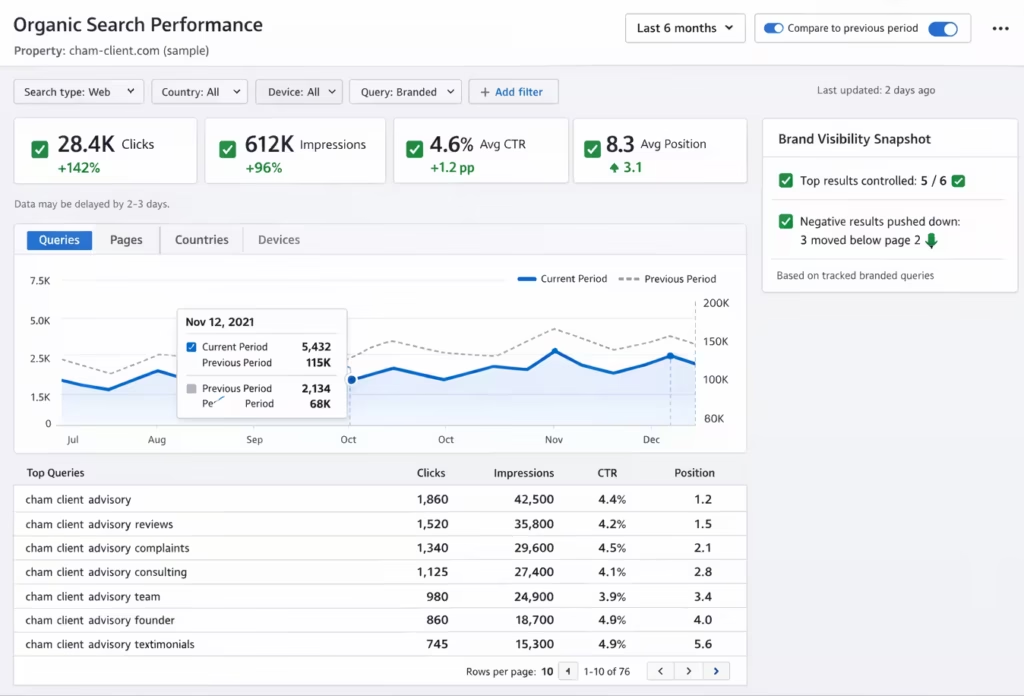
'+142% organic traffic

to core service and “Who We Are” pages

3.8× increase in consultation requests

from organic & direct traffic

62% increase in time on key trust pages

(regulation, “How We Work,” and advisor profiles)

5 of top 6 Google results

for brand name now controlled by official assets (website, LinkedIn, trusted directories) vs. 2 of 6 before

3 previously prominent negative/low-quality results

pushed below page 2

0 compliance escalations

tied to website or marketing content in 9 months (down from 6 in the prior year)

47% reduction in “credibility-check” objections

recorded in CRM notes during early sales calls

2.9× increase in LinkedIn profile views

for key partners and 2.3× increase in InMail reply rate from target prospects

Outcome Summary

The advisory firm moved from low digital trust and reputation risk to a controlled trust infrastructure, with compliant content, stronger search optics, and advisor authority assets reducing friction before sales calls.
Evidence & Performance Snapshot
Creating a Digital Trust Infrastructure for a National Financial Advisory Firm SEO Analytics
Deliverables & Timeline

Strategic Deliverables

  • Digital Trust & Compliance Content Architecture
  • Brand messaging framework tailored to regulated financial services
  • Reputation and search risk map with prioritized suppression plan
  • LinkedIn authority positioning blueprint for leadership

Tangible Assets

  • New corporate website (40+ strategically structured pages)
  • Pillar content: 10+ in-depth articles + 30+ FAQ/knowledge base entries
  • 3 client-facing explainer videos + 1 corporate story video + micro-clips for LinkedIn
  • Internal compliance/brand alignment training videos
  • Governance rules: content workflows, approval checklists, and publishing guidelines

High-Level Timeline

  • Month 0–1: Discovery, compliance workshops, technical & reputation audits
  • Month 2–3: Messaging framework, IA and UX design, content outline, wireframes
  • Month 3–4: Full website build, copywriting, SEO implementation, initial suppression actions
  • Month 4–5: Launch, tracking setup, LinkedIn optimization, first wave of authority content
  • Month 5–7: Scale content, expand link-building, roll out video systems, refine based on data
Why This Project Succeeded
  1. We started from trust and regulation, not from “pretty design.”
    Every decision — layout, wording, microcopy — was filtered through the lens of “Does this improve perceived and actual safety?”
  2. We treated the firm as an entity, not a website.
    We aligned what Google, LinkedIn, directories, and review sites show about the firm, so everything reinforces a single, credible story.
  3. We turned compliance into a speed enabler.
    By building pre-approved messaging blocks and clear guardrails, marketing can now move fast without triggering red flags.
  4. We integrated reputation management into SEO, not as a separate crisis tool.
    Suppression and authority building were baked into ongoing content, link-building, and profile optimization — not just one-off “damage control.”
  5. We focused on the moments that actually change deals.
    First impression on Google, first scroll on the site, first look at LinkedIn, and first explanation of “how it works” – we rebuilt each of those to reduce fear and confusion.

Client Quote

We didn’t need more marketing noise. We needed someone who understood the regulatory box we live in and could still help us grow. Now when prospects find us online, they see exactly what we’d want them to see: stability, clarity, and control. Our advisors spend less time proving we’re legitimate and more time actually advising

Agency Insight

In regulated markets, your real brand is what shows up when someone Googles you at 11:30 pm after a long day.
If you don’t control that surface, someone else — or an old complaint — will